
Plant-Strong Eating: Build the Plate Before You Build More Rules

Updated: 3 days ago
Eating plant-strong is sometimes reduced to one instruction: eat more fruits and vegetables. That is a useful beginning, but it is not a complete way to think about nourishment.
A well-built plant-forward pattern can include vegetables, fruits, beans and lentils, nuts, seeds, whole grains where they work for you, herbs, spices, nourishing fats and enough protein and energy to support your actual life. The strength of the pattern comes from what you build consistently—not from earning a perfect plant-based label.

Plant-forward is about emphasis, not purity
You do not have to become vegan to eat plant-forward. For some people, plants make up nearly the entire diet. Others include eggs, seafood, poultry or other animal foods in amounts that fit their preferences, culture, health needs and values. What matters here is increasing the presence and variety of minimally processed plant foods without turning eating into an identity test.
The quality of the plant foods matters
Research increasingly distinguishes healthful plant-based patterns from less-healthful ones. A diet can technically be plant-based while relying heavily on refined grains, sweets, sugary drinks and highly formulated snack foods. By contrast, patterns emphasizing vegetables, fruits, legumes, nuts, seeds and whole grains are consistently associated with more favorable cardiometabolic outcomes.
Build beyond produce
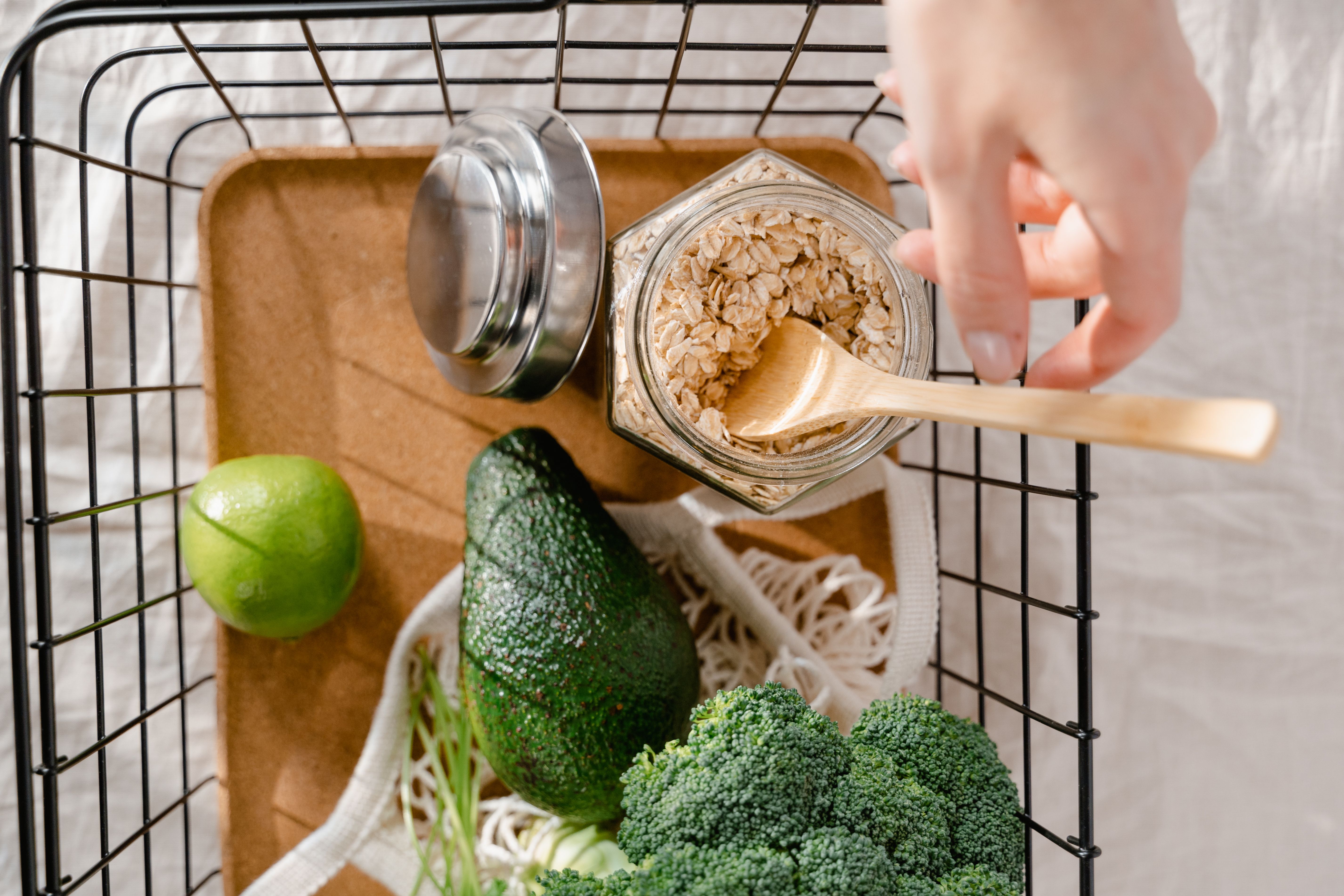
Vegetables and fruit contribute fiber, vitamins, minerals and a wide range of plant compounds, but a satisfying meal usually needs more. Beans, lentils, tofu, tempeh, nuts, seeds and other protein-rich foods can help provide structure. Extra-virgin olive oil, avocado, nuts and seeds can contribute nourishing fats. Whole grains such as quinoa, brown rice, oats or buckwheat may fit when tolerated and appropriate.
Protein deserves a place on a plant-strong plate
Plant-forward eating should not leave you chronically hungry or undernourished. Protein needs vary with body size, age, activity, health status and other factors. Rather than assuming vegetables alone will cover the need, intentionally include a meaningful protein source at meals. If your needs are higher or your food choices are limited by illness, allergies, gastrointestinal symptoms or other restrictions, individualized nutrition guidance may be useful.
Fiber is helpful, but tolerance matters
Plant-rich patterns often provide more dietary fiber, which can support bowel regularity and the gut microbiome. More is not always better overnight. If your current intake is low, increasing fiber gradually and maintaining adequate fluid intake may be more comfortable. People with certain gastrointestinal conditions or medical restrictions may need individualized adjustments.
Frozen and canned still count
Fresh produce is wonderful, but it is not the only respectable way to eat plants. Frozen vegetables and fruit can make plant-forward eating easier and reduce waste. Canned beans, lentils and vegetables can be practical staples; rinsing can reduce some of the sodium when that is a concern. Accessibility, affordability and convenience belong in a sustainable wellness plan.
Possibilities Into Intentions™
If your current meals feel far from plant-strong, you do not need to empty the refrigerator and start over. Add one vegetable to a meal you already make. Add beans to soup. Add berries or chia to breakfast. Add a handful of greens to a bowl. Add herbs and spices that make vegetables worth looking forward to. Repetition builds familiarity, and familiarity can make change feel less like a demand.
One plate can tell you a lot
Look at a meal you eat regularly and ask: Where is the plant variety? Where is the protein? Where is the satisfying fat? Is there enough food here to carry me to the next meal? What could I add that would make this more nourishing without making it unnecessarily complicated?
Your body still gets a vote
A food can be nutritious and still not be appropriate for every person. Allergies, autoimmune conditions, kidney disease, gastrointestinal disorders, medications, metabolic needs and individual tolerance can change what works. Bio-individuality does not mean evidence stops mattering; it means evidence has to meet the person who is actually eating the food.
At IndigoKoi Wellness, plant-strong eating is not about proving how many foods you can remove. It is about creating a varied, satisfying pattern that supports your health while leaving enough flexibility for culture, pleasure, access and real life.
Keep Building the Plate
Continue with The Many Names of Sugar for practical label literacy, Soy Without the Scare Tactics for a clearer look at soy foods, and Omega-3s for a more grounded conversation about fats, food and supplements.


Comments