
Green Beans Deserve Another Chance

Updated: Oct 10
Some foods do not need a wellness halo or an extravagant promise to earn a place on the plate. Green beans are a good example. They are familiar, affordable, versatile, and they contribute fiber along with vitamins, minerals and plant compounds to an eating pattern built around a variety of whole foods.
And yes, I know some of us are carrying memories of soft, flavorless canned green beans from childhood. I call that green-bean trauma with a smile, because sometimes the food we think we dislike is really the preparation we remember.
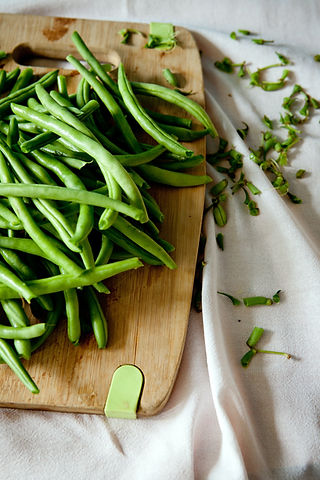
What green beans actually bring to the plate
Green beans, also called snap beans, are nutritionally treated as a vegetable even though the plant belongs to the legume family. That distinction matters. They should not be described as nutritionally interchangeable with mature dried beans such as black beans, kidney beans, chickpeas or lentils.
Green beans provide dietary fiber and several micronutrients as part of a varied diet. The larger evidence around fiber-rich eating patterns is stronger than claims about green beans acting as a treatment by themselves: higher dietary fiber intake has been associated with better cardiovascular outcomes, and controlled trials have found improvements in several cardiometabolic risk factors when fiber intake is increased.
That is a much more useful way to think about food. One vegetable does not have to prevent disease, cause weight loss, lower cholesterol or transform the immune system on its own. The pattern matters, and regularly making room for vegetables, fruits, whole grains, nuts, seeds and other fiber-containing plant foods can help build that pattern.
The gut appreciates variety, too
Different plant foods bring different fibers and plant compounds to the table. Rather than chasing a single so-called superfood, I prefer encouraging variety across the week. Green beans can simply be one more way to add another plant, another texture and another source of fiber to the meals you already enjoy.
Try them differently before deciding you dislike them
My favorite approach is uncomplicated: sauté fresh or frozen green beans in extra-virgin olive oil with fresh garlic, then finish them with black pepper and a light touch of sea salt if that works for your needs. You can also roast them until the edges begin to deepen in color, add lemon, toss them with toasted almonds, or fold them into a warm vegetable bowl.
The goal is not to force yourself to eat a food you genuinely dislike. It is to leave a little room for the possibility that a fresh preparation can change the conversation.
A small addition can still matter
Wellness does not always begin with removing something from your plate. Sometimes it begins by adding one vegetable you enjoy, one more source of fiber, or one meal that leaves you feeling nourished and satisfied. Those additions may look ordinary, but ordinary choices are where sustainable eating patterns are built.
If you are working on a more plant-strong way of eating and want guidance that fits your health history, preferences and real life, reach out to Coach Winona at IndigoKoi Wellness, LLC.
Evidence notes
Nutrition information was reviewed against USDA FoodData Central for raw green snap beans. Broader statements about dietary fiber and cardiovascular health reflect systematic reviews and meta-analyses of human research. This article is educational and is not a substitute for individualized medical or nutrition care.


Comments